
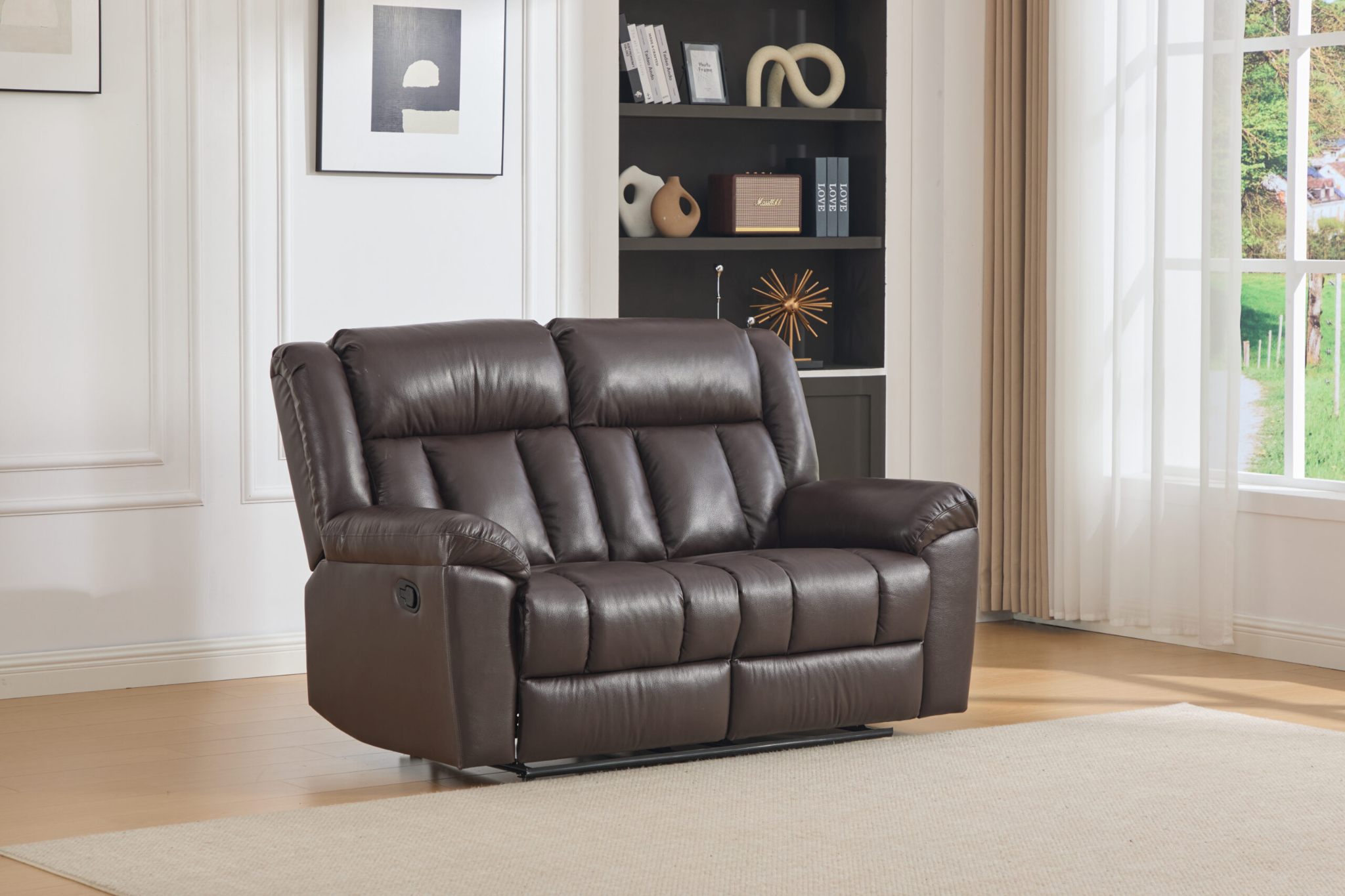
Fortunately, leather furniture care is usually about gentle, consistent habits rather than intensive cleaning. The most important starting point is simple: follow the instructions for your particular upholstery. Natural leather can have different finishes, and a method that is suitable for one finish may damage another.
Identify the finish before choosing a cleaner
Leather upholstery may be pigmented, semi-aniline, aniline or finished in another way. Some finishes have a more protective surface layer; others have a more open character and can be particularly sensitive to liquids and staining.
Do not assume that a product described simply as “leather cleaner” is suitable for every sofa. Keep the manufacturer’s care guide and any information supplied about the finish. If the material is not clearly identified, ask the seller before applying anything to the surface.
This step is especially important for finishes that readily absorb moisture. Cleaning should always begin with knowing what you are treating.
Make gentle dust removal a routine
Dust and fine particles gather on seating surfaces, in stitching and along the joins between cushions. When left in place, they can combine with everyday movement and friction to affect the surface’s appearance.
Regularly wipe accessible areas with a clean, soft, dry cloth. Where the manufacturer permits it, a vacuum cleaner with a soft brush attachment may help remove debris from creases and seams. Use a light touch rather than pressing firmly into the material.
Avoid scraping crumbs from seams with sharp objects or using stiff brushes. A brief, gentle routine is normally preferable to occasional forceful cleaning.
What to do when a drink is spilled
Act promptly but calmly. Carefully blot up the liquid with a clean, absorbent cloth, without rubbing it into a wider area. Then follow the instructions given for the specific leather finish.
Do not pour water directly onto the sofa or try improvised mixtures in the hope of dissolving a stain. Some leathers are highly sensitive to moisture. If a mark persists or the surface changes colour, seek advice from the seller or a specialist in furniture leather care.
Repeatedly increasing the strength of a cleaning product can make the problem worse. Protecting the upholstery is more important than attempting a dramatic instant fix.
Why household cleaning products can cause damage
Kitchen sprays, strong degreasers, bleach, solvents and abrasive cleaning pads are not designed for leather upholstery. Steam-cleaning equipment and products intended for shoes should not be treated as universal substitutes for specialist furniture care.
When a manufacturer recommends a particular cleaning or protection product, use it according to that manufacturer’s directions. Where testing a hidden area is advised, follow the specified method. Do not assume that conditioning creams are suitable for all finishes: some materials have particular requirements, and unnecessary applications may not help.
There is no single treatment schedule that is appropriate for every natural leather sofa.
Protect your furniture from direct sun and intense heat
Prolonged direct sunlight can change the colour of leather. Strong nearby heat may also affect its condition. Position sofas and armchairs with these risks in mind, avoiding prolonged exposure to direct sun and placing furniture immediately against heaters or radiators.
If the room has large windows, curtains or blinds can reduce the most intense sunlight during parts of the day. As the seasons change, consider whether the position of the sun exposes the sofa differently.
The aim is not to keep your furniture in darkness, but to avoid unnecessary long-term stress on the material.
Pay attention to armrests and headrests
Areas that regularly touch hands, hair and the neck can accumulate natural body oils and residue from cosmetics or hair products. As a result, armrests and headrests may show changes before less frequently used parts of a sofa.
Where possible, allow creams and hair products to settle before using the furniture. Examine these contact areas regularly and clean them only by methods approved for the upholstery. Remember to check stitching and areas near moving recliner components, where debris can collect unnoticed.
Clothing, pets and everyday abrasion
Dye from some clothing can transfer onto lighter leather finishes. Metal fasteners, rough details and zips may scratch surfaces. Pets’ claws can also leave marks, even when the leather feels substantial and durable.
This does not mean that leather furniture is unsuitable for active homes. It means that the finish should be chosen with the household in mind. If children or animals use the seating frequently, ask detailed questions about the care requirements of the particular leather rather than relying on broad claims that a surface is impossible to damage.
Should leather furniture be treated seasonally?
A periodic inspection is useful. Look at frequently used areas, remove dust from seams, check whether sunlight is affecting the sofa and review the manufacturer’s recommended maintenance schedule. Some finishes have specific instructions for specialist cleaning or approved protection products.
Avoid assuming that more frequent product application is always better. Sensible, finish-specific care is more valuable than repeated treatment with products of uncertain suitability.
Five common mistakes to avoid
- Using an untested household cleaner without checking the leather finish.
- Rubbing a stain hard enough to alter the colour or surface texture.
- Leaving furniture in sustained direct sunlight or against a heater.
- Allowing debris to build up in seams and high-contact areas.
- Assuming that every type of natural leather requires exactly the same care routine.
Frequently asked questions
Can I wipe a leather sofa with a damp cloth?
It depends on the finish and the manufacturer’s instructions. Some finishes may permit a lightly dampened cloth, while others can stain when exposed to water. If you are unsure, start with a soft, dry cloth and obtain the relevant care instructions.
What if a mark will not come off?
Do not automatically use a stronger chemical or rub harder. Make a note of what caused the mark, identify the leather finish and contact the seller or an appropriate specialist for advice.
Does light-coloured leather require extra care?
Colour transfer and certain marks may be more visible on lighter surfaces. However, the most important factor is still the nature of the finish, alongside how frequently the furniture is used.
Final thoughts
Good leather sofa care is less about elaborate products and more about consistent, gentle attention. Remove dust, respond promptly to spills, avoid excessive sunlight and heat, and use only methods suited to the specific finish. These practices help preserve the sofa’s appearance without introducing unnecessary risks.
If you are exploring the sofas and armchairs in the PROMO mēbeles catalogue, ask about the exact leather finish and the manufacturer’s care instructions before choosing a maintenance product.